

In the ever - evolving field of medical textiles, elastane fabric, also known as spandex or polyurethane fiber, is emerging as a game - changer. With its unique properties, elastane is transforming the way medical products are designed and used, significantly enhancing patient comfort and treatment effectiveness.
One of the primary applications of elastane in medical textiles is in the production of compression garments. Conditions such as lymphedema, varicose veins, and post - surgical swelling often require the use of compression therapy. Elastane's remarkable elasticity allows these garments to provide graduated compression, applying the right amount of pressure to promote blood circulation and reduce swelling. Unlike traditional compression materials, elastane - based garments can conform closely to the body's contours, ensuring a snug and consistent fit. For example, in the case of lymphedema patients, who need to wear compression sleeves daily, elastane - blended sleeves offer a more comfortable and effective solution. These sleeves can be stretched to fit the arm perfectly, and their ability to retain shape over time means they maintain the required compression levels. Research has shown that patients using high - quality elastane compression garments experience a 30 - 40% reduction in swelling compared to those using less elastic alternatives.
Medical bandages are another area where elastane is making a difference. Elastic bandages are crucial for immobilizing injured body parts while still allowing some movement. Elastane's stretchability enables bandages to be wrapped tightly enough to provide support without restricting blood flow or causing discomfort. In orthopedic injuries, such as sprains and fractures, elastane - reinforced bandages can adapt to the swelling and changes in limb size during the healing process. They also reduce the need for frequent readjustment, which is not only convenient for patients but also helps in maintaining the integrity of the treatment. A recent study in a trauma center found that patients with minor fractures who were treated with elastane - based bandages reported a 20% decrease in pain levels during the first week of treatment, as the bandages provided a more stable and comfortable support.
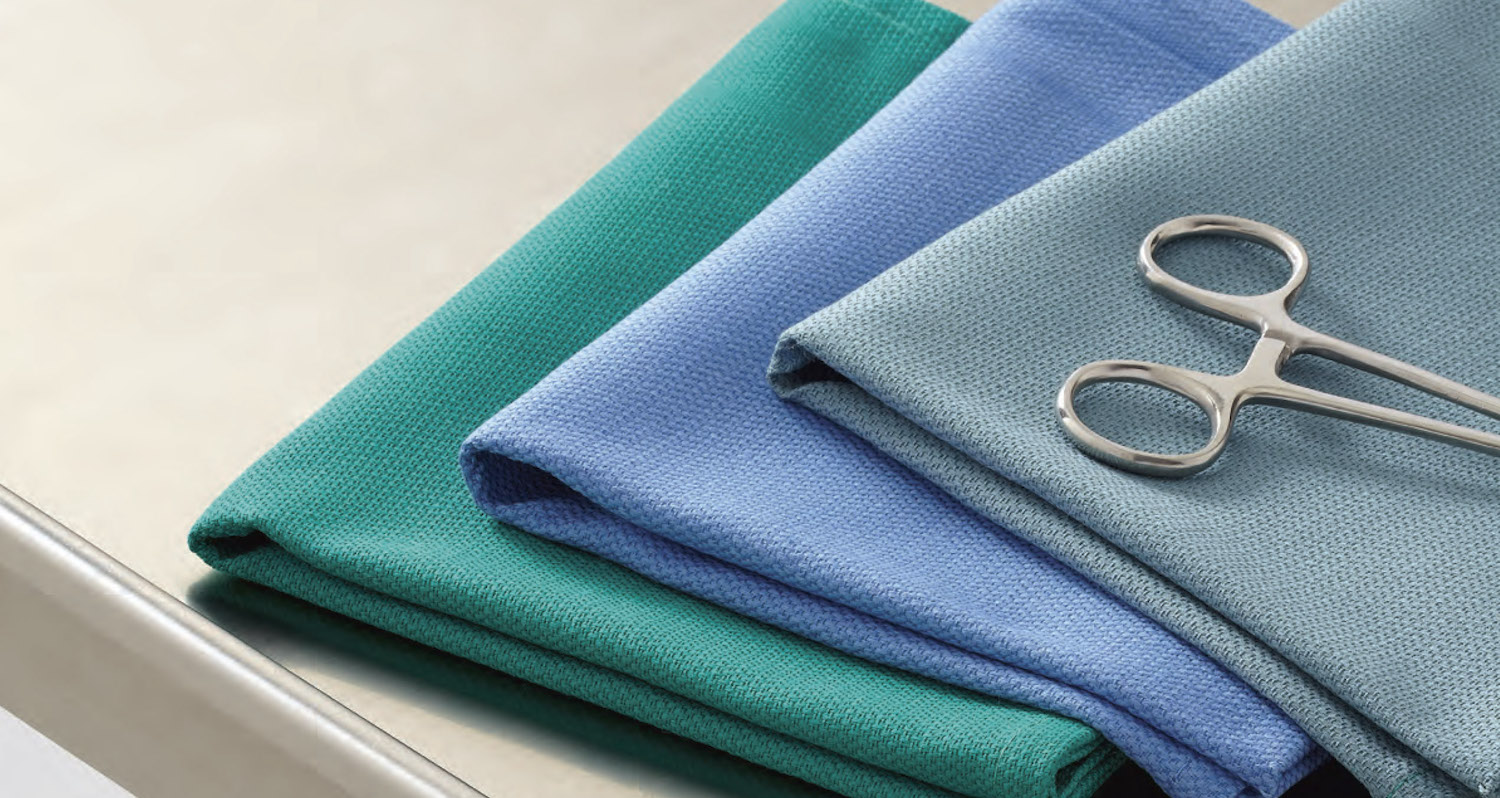
Elastane is also being incorporated into surgical gowns and drapes. The fabric's flexibility allows medical professionals to move freely during procedures, reducing the risk of accidental tearing or restriction of movement. This is particularly important in complex surgeries that require precise and agile movements. Additionally, elastane - blended surgical textiles can be designed to be more breathable, which helps to keep surgeons comfortable during long operations. Some advanced surgical gowns now use a blend of elastane and moisture - wicking materials, ensuring that sweat is quickly drawn away from the body, reducing the likelihood of bacterial growth and improving overall hygiene in the operating room.
Furthermore, in the development of implantable medical devices, elastane has potential applications. Although still in the research and development phase, the material's biocompatibility and elasticity make it a promising candidate for components in devices such as artificial blood vessels and heart valves. For instance, an artificial blood vessel made with elastane could better mimic the natural flexibility of real blood vessels, reducing the risk of clot formation and improving long - term functionality. Scientists are working on creating elastane - based materials that can withstand the harsh environment inside the body while maintaining their elastic properties.
As the medical industry continues to prioritize patient comfort and treatment efficacy, the use of elastane fabric in medical textiles is expected to grow exponentially. With ongoing research and innovation, we can anticipate even more advanced applications of elastane, further revolutionizing the field of medical textiles and ultimately improving the quality of healthcare for patients worldwide.